Product Design
Soft Goods
Work Vest
Laying in the dirt is something I do all the time. I got tired of ruining good shirts every time I worked on something, or was out in the field taking photos, so I decided to solve the problem. What I needed was a work vest that I didn't have to think twice about getting dirty. Something durable enough to handle the job, yet comfortable enough to wear all day.
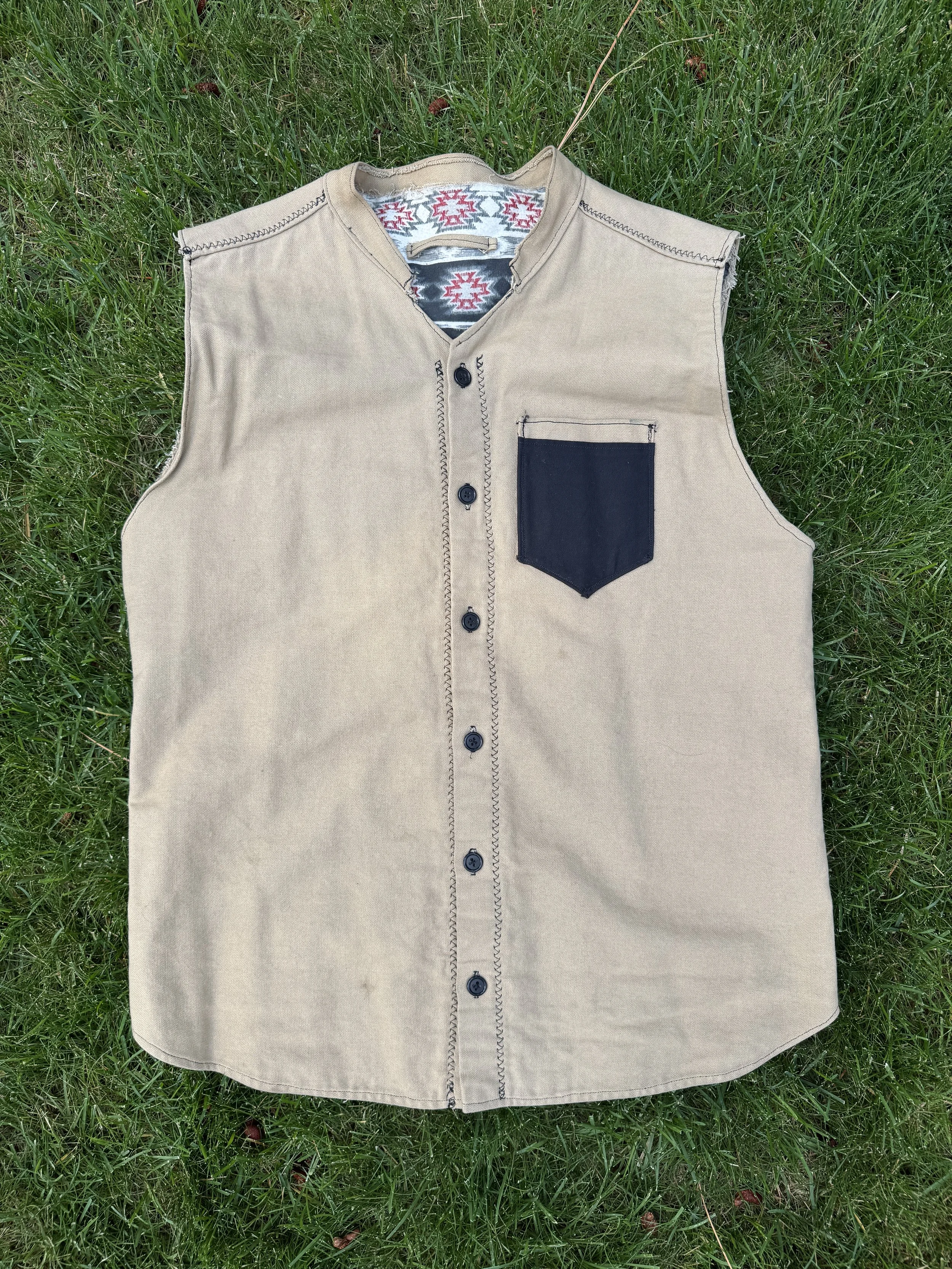
The design process was pretty simple. I started with a Carhartt flannel I already owned and took measurements from it. After tracing the flannel pattern and leaving out the sleeves, I had all the pieces I needed for the vest. I wanted it to be tough on the outside but still comfortable to wear, so I used a canvas exterior with a flannel lining. Once everything was cut out, I sewed the layers together.
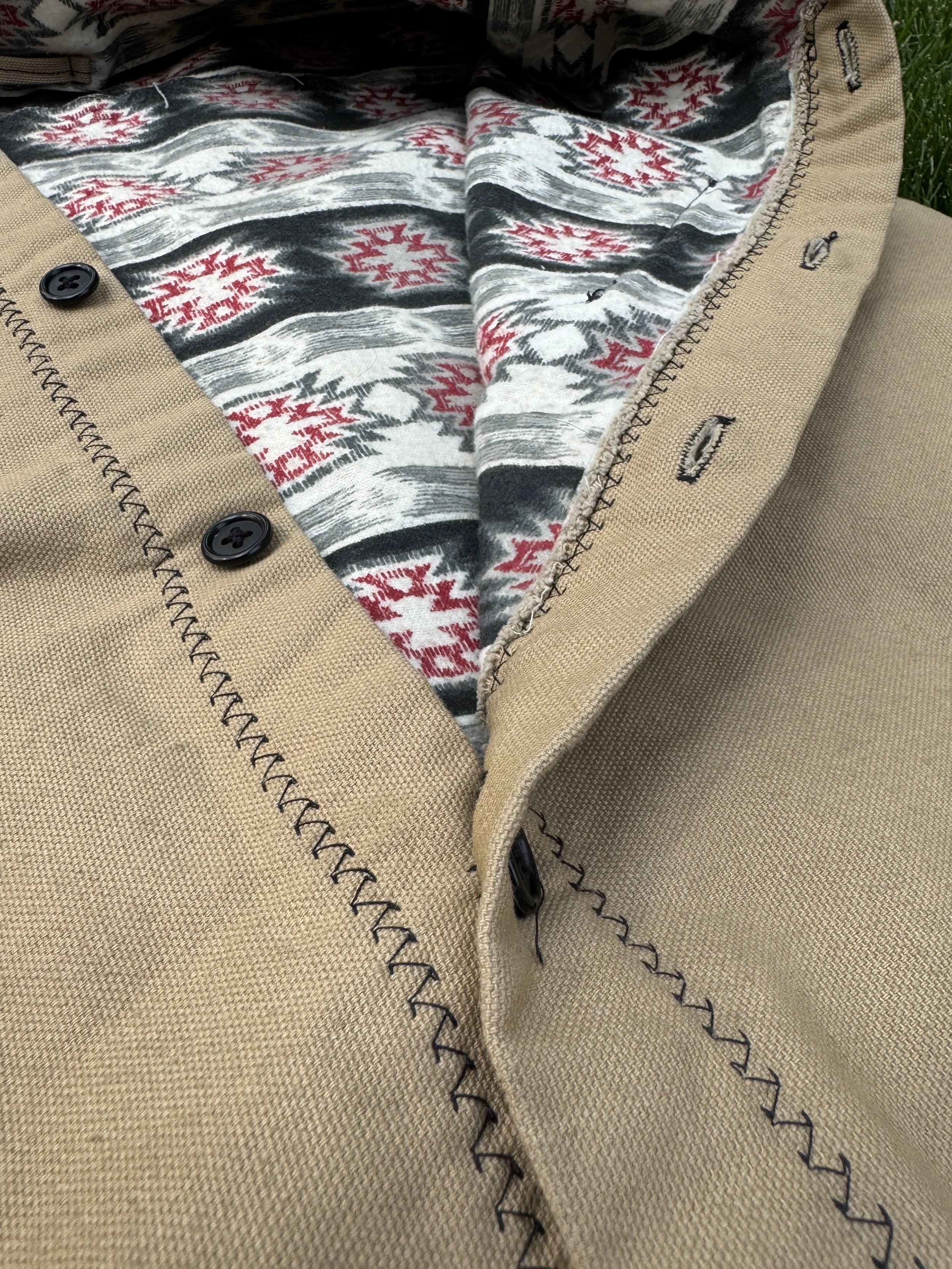

Like any first prototype, I made plenty of mistakes along the way. By the time I finished the vest, I already had a list of things I wanted to change and improve for the next version seen here.
Golf Club Head Cover
Golf head covers are surprisingly expensive, so I figured I'd make my own. I used a faux leather exterior for durability and a soft fleece lining to help protect the clubs.
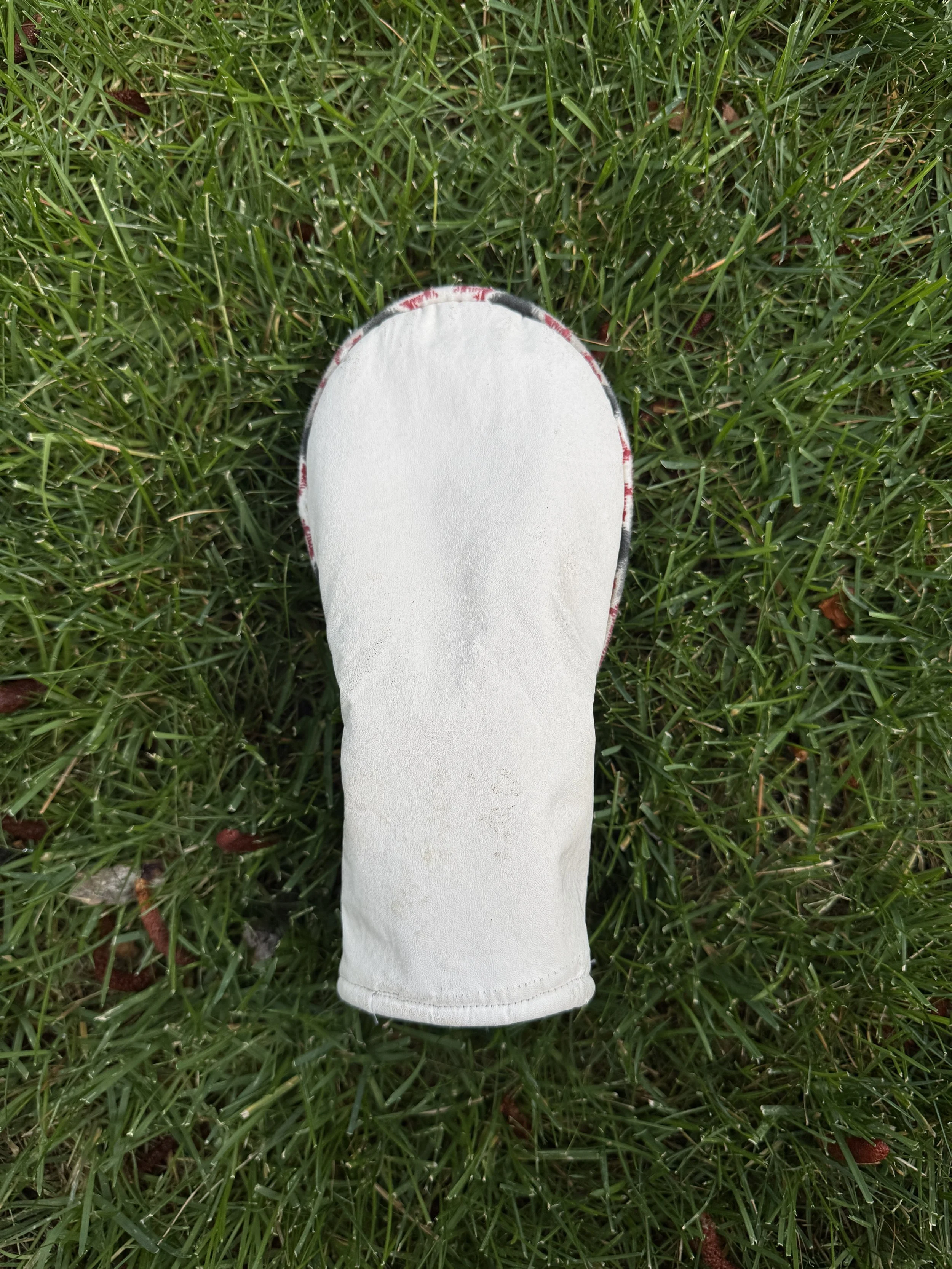

To keep the cover securely on the club, I sewed an elastic band into the neck so it would grip the shaft without being difficult to take on and off. I also wanted the outside to have a cleaner, more finished look, so I made my own piping using weed-whacker line.
Other Products
Canon Battery Magazine Dispenser
This project came from a problem I kept running into on photoshoots. Once a battery died, I had to carry separate bags for charged and dead batteries, which was easy to lose track of during a busy day. I wanted a way to keep everything organized in one place while still knowing exactly how many fresh batteries I had left.
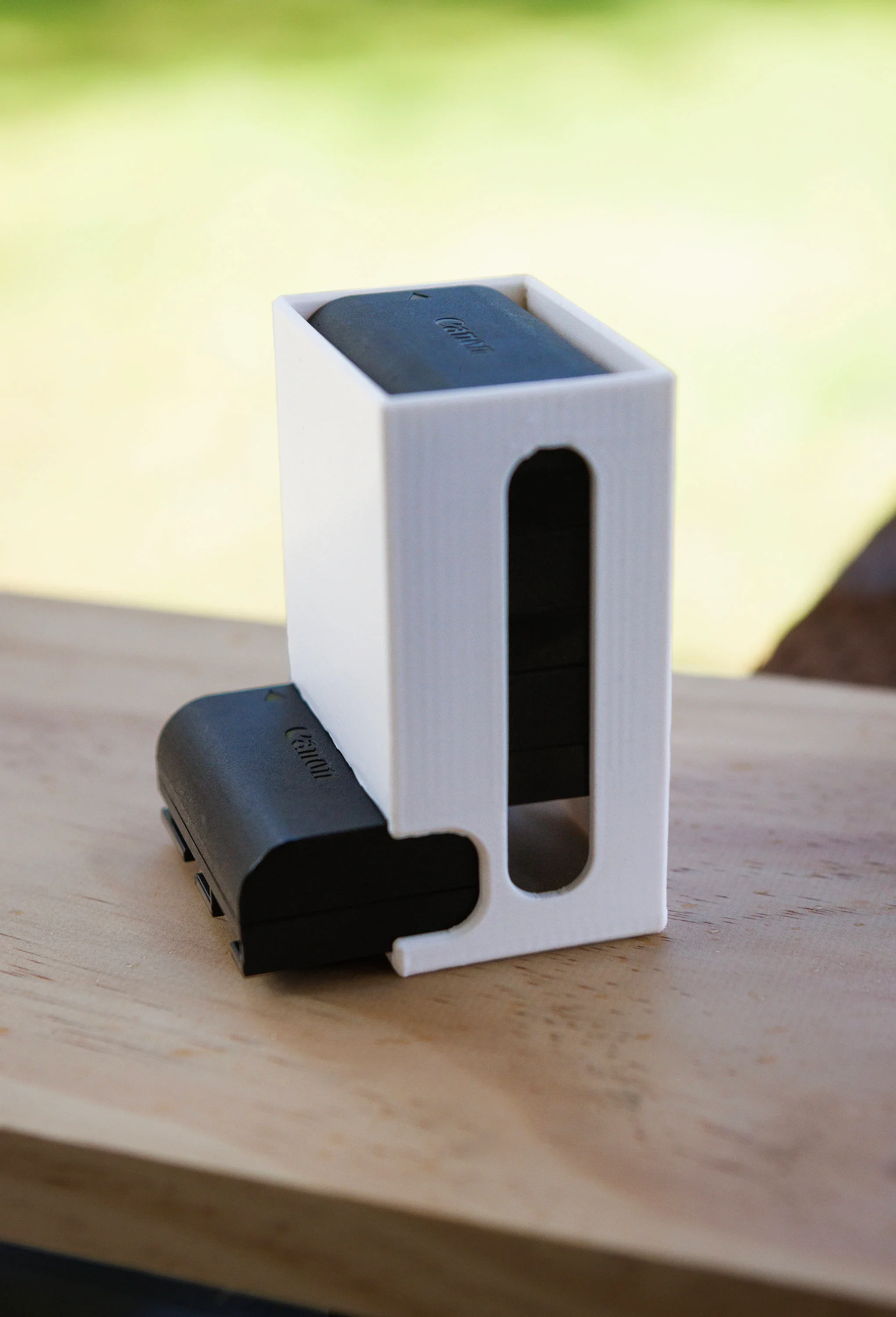
The solution was a battery dispenser that lets you grab a charged battery from the bottom. When a battery dies, you simply flip it upside down and slide it back into the magazine. The upside-down orientation makes it easy to tell which batteries are dead, and the windows on the side let you quickly see how many charged batteries are still available.
The design process took quite a few iterations to ensure that the spacing thresholds were correct. Too loose and the batteries could fall out, but too tight and the user would have trouble removing a fresh battery.
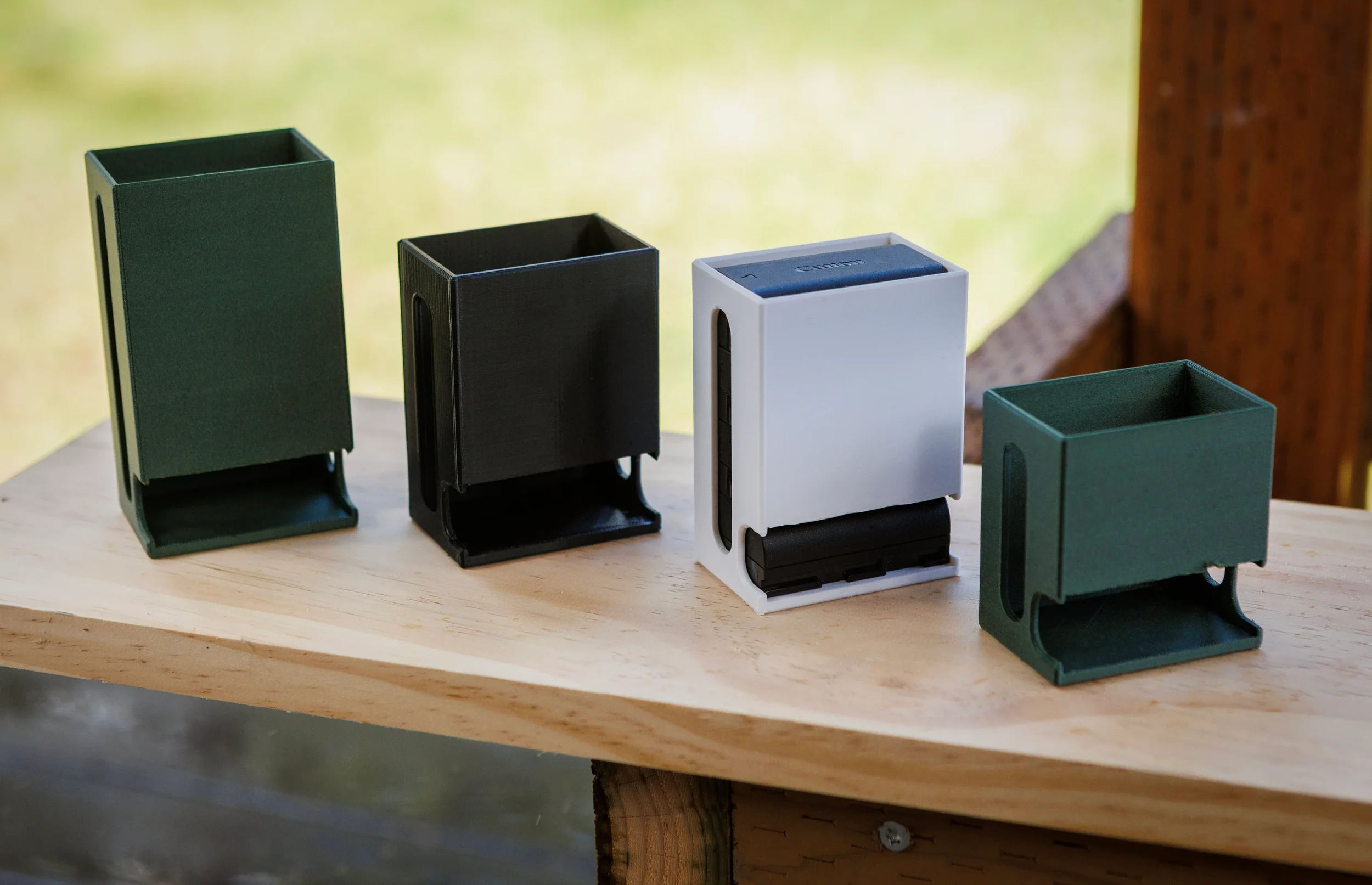
It turns out I wasn't the only one with this problem. Other Canon LP battery users seemed to be looking for the same solution, and I've been selling about five of these a month on Etsy ever since.
AQI Detector
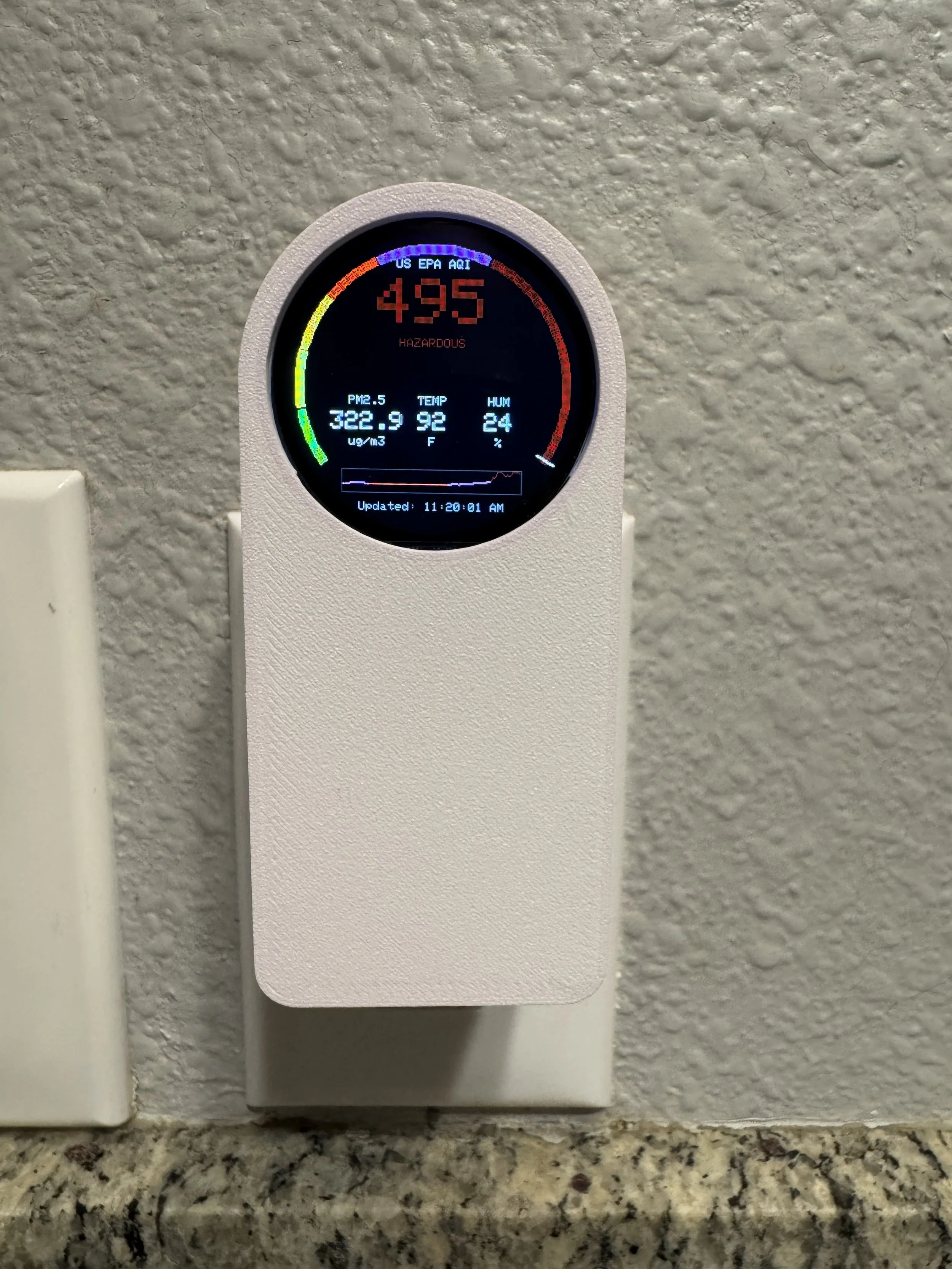
Wildfire smoke is just part of summer in Bend. Almost every evening my wife and I find ourselves checking PurpleAir to see what the air quality is doing and deciding whether it's worth opening the windows or keeping the house sealed up. Instead of spending a few hundred dollars on our own sensor, I decided to build something myself. Using a $3 USB-C microcontroller, a $4 round display, and a little help from ChatGPT, I programmed the device to pull live AQI data from a nearby public PurpleAir sensor. It updates every 30 seconds with the current AQI and other useful information, making it easy to decide whether we're going to try sleeping hot all night, or have lungs full of smoke instead.
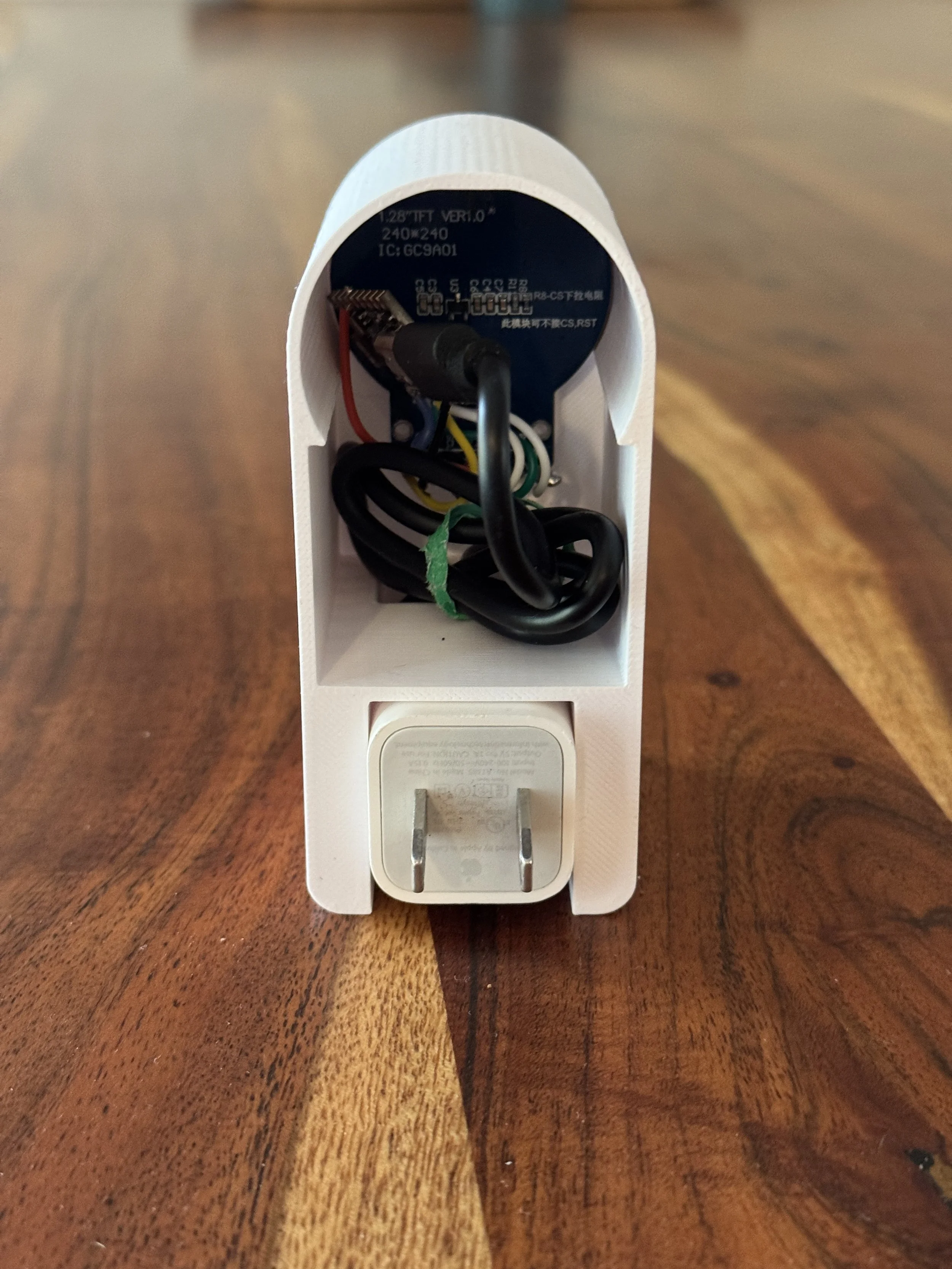
The device alone was too ugly to look at, so I designed and 3d printed an elegant solution to house all the parts and allowing for the device to be plugged into the wall without having a visible cord.